
Physical & Mental Preparedness for Grand Canyon Rafting Trips
Grand Canyon Rafting TRIPS
How to Get Ready—Physically, Mentally, and Emotionally—for the Ultimate River Adventure
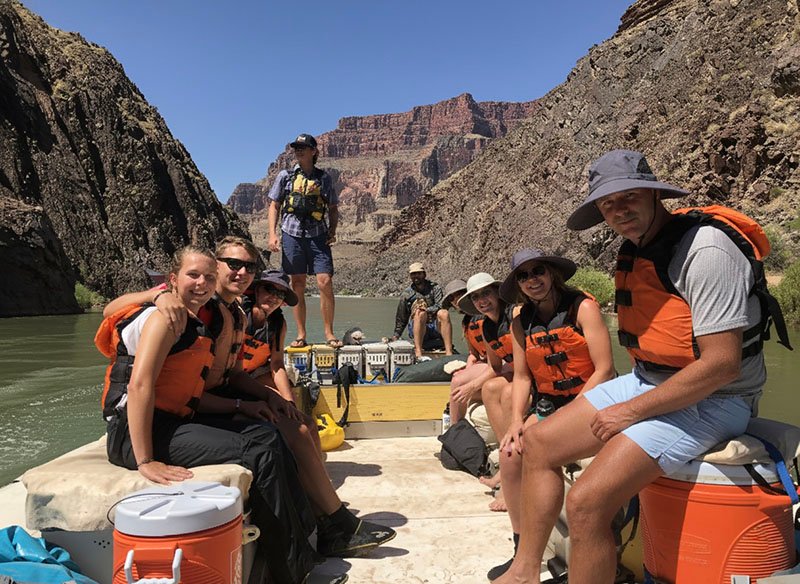
Rafting the Grand Canyon isn’t just a vacation—it’s a true wilderness expedition. From 100° desert heat to chilly nights beneath the stars, this experience challenges your body, mindset, and spirit. Preparing both physically and mentally will make the journey not only manageable but deeply rewarding. You’ll climb in and out of rafts, hike rugged trails, and adapt to the canyon’s ever-changing conditions.
This guide covers everything you need to know about fitness for rafting trips, Bright Angel Trail readiness, and mental preparation for adventure travel—so you can step into the canyon confident, capable, and ready for anything.
No two days on the river are the same. One morning you might float past waterfalls and shaded grottoes; by afternoon, you could be battling headwinds or sitting out a desert thunderstorm.
Success on the river isn’t about strength—it’s about adaptability and attitude. The guests who thrive are those who stay flexible, laugh when things get sandy, and embrace the unpredictable rhythm of the canyon.
Think of it as nature’s reset button—an opportunity to unplug, slow down, and live in sync with the river.
Physical Readiness
Most Grand Canyon rafting trips are suitable for healthy, active travelers, but this is a physically demanding environment. You’ll climb in and out of boats, set up camp daily, and walk on rocky, uneven terrain. Before you book, ask yourself:
Can I walk a few miles on uneven ground without issue?
Am I comfortable climbing into and out of rafts several times a day?
Can I carry 20–30 lbs of personal gear up sandy or rocky slopes?
Am I okay with hot days, cool nights, and limited shade?
Can I handle basic camp tasks like setting up a tent or folding gear?
Even motorized raft trips require daily physical movement—there’s no lounging all day. A little conditioning ahead of time makes a big difference once you’re out there.
Your adventure, your power.
Hike & Access Considerations
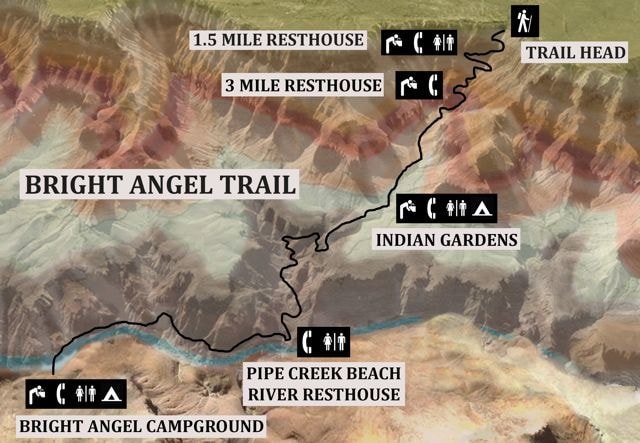
Some partial canyon trips require hiking in or out on the Bright Angel Trail, a 7.5+ mile route with about 4,400–4,800 feet of elevation change.
Upper Canyon Trips
Hike up to the South Rim on the final day (strenuous ascent).

Lower Canyon Trips
Hike down into the canyon to start your journey (tough on knees).
These hikes are not recommended for anyone with heart, joint, or mobility issues. Learn more in our Bright Angel Trail Guide
Life in the canyon is simple and satisfying—but it’s not luxury travel. You’ll sleep under the stars or in a tent, bathe in the Colorado River (if you choose), and use a portable, eco-friendly toilet system set up each night.
Guides will show you how to set up camp, but everyone participates—pitching tents, organizing gear, and helping maintain camp cleanliness.
It’s a chance to disconnect from the digital world and reconnect with something more primal—nature, community, and self.
Medical & Dietary Considerations
Rafting outfitters are experienced in accommodating medical and dietary needs, but resources are limited once the trip begins. There are no stores, medical clinics, or refrigeration beyond ice chests. Evacuations, if necessary, take time and coordination.
We strongly recommend consulting your doctor before traveling if you have:
Diabetes or insulin-dependent conditions
Heart, respiratory, or circulatory concerns
Significant joint, knee, or back limitations
Severe allergies (especially anaphylactic)
Special dietary restrictions that require specific ingredients or refrigeration
Inform your outfitter early—ideally at booking—so they can plan accordingly.
Learn more on our What’s Included and Food Menu pages.
Training Tips (Especially for Hike-In or Hike-Out Trips)
Preparation doesn’t have to be extreme. A few weeks of steady activity and targeted exercise can greatly improve comfort and endurance:
Hike or walk on uneven terrain several times a week.
Train with a weighted pack (20–30 lbs) to mimic carrying gear.
Use stairs or incline treadmills to simulate elevation gain.
Strengthen calves, glutes, and quads with squats or step-ups.
Hydrate regularly and get used to drinking more water than usual.
If you’ll be hiking Bright Angel Trail, aim to work up to 4–6 hours of sustained hiking with elevation gain/loss.
Mental Preparedness
Equally important is your mindset. You’ll be off the grid, immersed in a raw environment that challenges comfort zones and rewards openness.
Expect early mornings, physical work, and the occasional cold splash.
Celebrate the simple moments—sunrise coffee, stargazing, laughter at camp.
Leave perfectionism behind. Embrace the unpredictable.
A rafting trip through the Grand Canyon is a journey of presence, resilience, and awe—not perfection.
You Don’t Need to Be an Athlete—Just Ready
You don’t have to be a triathlete to do this. You just need a healthy body, a flexible mind, and an adventurous spirit.
Prepare realistically, come with curiosity, and you’ll not only complete the journey—you’ll love it.
Grand Canyon Trips
Have Questions About Fitness or Readiness?
Our team has helped thousands of guests of all ages and fitness levels prepare for this adventure. If you’re unsure whether a certain trip or section is right for you, we’ll guide you to the best fit.